
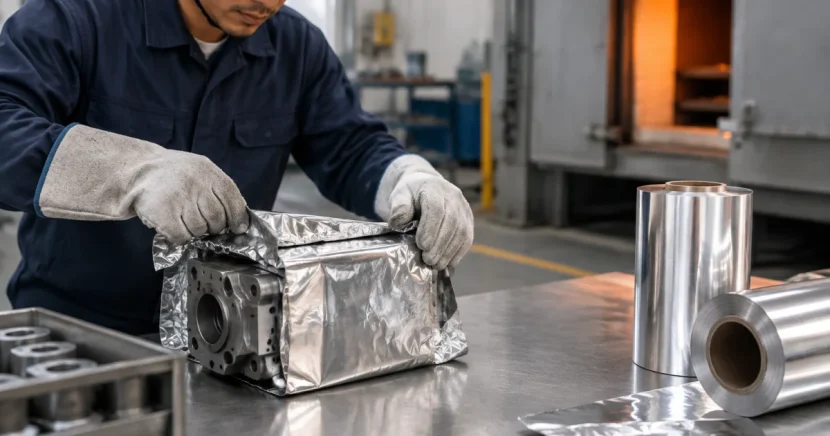
Heat treatment shops and tool & die makers in Malaysia rely on stainless steel tool wrap (also called heat treatment foil) to reduce oxidation, scaling, and decarburization during furnace cycles. But purchasing tool wrap isn’t only about “SS309 or SS321”—it’s about matching the grade, thickness, width, and roll/leaf format to your typical load size, sealing method, and cycle temperature, then planning lead time so production doesn’t stop.
This supplier-focused update is written for buyers who want clear, practical guidance: what’s commonly stocked, what typically needs ordering, and what information to include on an RFQ to avoid delays. While you’re here for tool wrap, many factories also consolidate sourcing for related consumables and engineering materials (shim stock, shim plate, spring materials, and EDM consumables). For example, teams who search for blue tempered spring steel malaysia are often the same people managing maintenance spares and heat treatment accessories across multiple departments.
What “availability” really means for stainless steel tool wrap in Malaysia
When a supplier says a foil is “available,” it can mean different things depending on how that supplier inventories material. For stainless steel tool wrap, availability usually falls into three practical categories:
- Ex-stock rolls / sheets: Ready-to-ship items in common widths and thicknesses, suitable for immediate furnace runs.
- Ex-stock grade, conversion required: The grade exists locally but may require slitting, shearing, or re-rolling to your requested width/length. This adds handling time.
- Indent / make-to-order: Uncommon thicknesses, special widths, or large volume requirements may require procurement from upstream sources, extending lead time.
For heat treatment operations, the most common “surprise” is that a grade is available, but your preferred thickness or width isn’t. If your process relies on a specific seam fold and crimp style, a small change in thickness can affect how well packets seal—and therefore how well parts stay protected.
Another common issue is planning around production peaks. Tool wrap is a consumable: once it’s used, it’s scrap. If your shop schedules multiple furnace loads per week, it’s worth estimating monthly consumption and keeping a minimum on hand rather than buying only when a job lands.
Typical lead time factors: what causes delays (and how to prevent them)
Lead time for SS309/SS321 tool wrap isn’t only about shipping. Several real-world factors influence when you can receive the foil and start wrapping parts:
1) Grade and thickness matching
SS309 and SS321 are both used for high-temperature protection, but they’re not interchangeable for every shop. If you switch grades mid-process without updating your wrapping method (folding, sealing, double-wrapping), you may see inconsistent results. From a procurement standpoint, mixing grades also increases the number of SKUs you must keep.
2) Width and format (roll vs cut sheets)
Many heat treatment teams prefer rolls because they can cut to length at the bench, reducing waste. Others prefer pre-cut sheets for repeatable packet sizes and faster preparation. If your request requires non-standard widths or cut lengths, conversion time can become the critical path.
3) Quantity and packaging requirements
A small quantity for prototyping or urgent maintenance is often easier to fulfill from available stock. Larger quantities may need consolidation and scheduling—especially if you require consistent heat numbers across a big batch (some customers do, for internal traceability). If traceability is a requirement in your organization, include it in your RFQ upfront.
4) Delivery coordination with furnace planning
Tool wrap procurement should align with your furnace calendar. If you plan to run long cycles, multi-step heat treatment, or weekend loads, you’ll want the foil earlier than the day you start wrapping. Build buffer time for internal receiving, QC checks, and staging at the heat treatment area.
Common specs buyers request for SS309/SS321 tool wrap
In Malaysia, buyers typically specify tool wrap using a short list of parameters. Including these details early makes quotations faster and reduces back-and-forth:
- Grade: SS309 or SS321 (state clearly; do not assume “stainless foil” implies the correct grade).
- Thickness: Choose a thickness suitable for your sealing method and part geometry. Thicker foil generally resists tearing and is easier to crimp for larger packets; thinner foil can conform better to complex shapes but may be more prone to pinholes if handled roughly.
- Width: Match to your typical part size and folding allowance. A good rule is to leave enough margin for double folds and a tight crimp without fighting the material.
- Roll length or sheet size: For rolls, specify approximate roll length; for sheets, specify cut size and quantity.
- Surface condition and cleanliness expectations: Heat treatment protection relies on a clean, intact barrier. If your process is sensitive, ask for guidance on handling to avoid contamination before sealing.
If you’re unsure, start by documenting what you wrap most frequently: average part size, maximum part size, sharp edges, and whether you double-wrap. That information helps a supplier recommend practical widths and thicknesses that reduce waste and tearing.
Practical selection guidance: SS309 vs SS321 for heat treatment wrapping
Many purchasing teams see SS309 and SS321 as two boxes to tick. In practice, the “best” choice depends on your furnace conditions and the risk you’re trying to control.
SS309 tool wrap is often chosen for high-temperature resistance and general heat treatment wrapping where stability at elevated temperatures is important. SS321 tool wrap is commonly selected when a stabilized grade is preferred for certain thermal exposures and shop practices. Your internal work instruction (and experience with a particular furnace, atmosphere, and cycle) should guide the final selection.
Rather than guessing, confirm three things internally before ordering:
- Cycle profile: Your normal heat treatment temperature range and soak times.
- Atmosphere and quench practice: How you handle parts before/after the furnace and whether packets see rapid temperature changes.
- Part geometry risks: Sharp corners, burrs, or protrusions that can puncture foil during wrapping or loading.
Even with the correct grade, wrapping technique matters. Poorly sealed edges, trapped air, or pinholes can reduce protection. For training refreshers, it helps to standardize how packets are folded and crimped at the bench and to inspect packets before loading.
How to write an RFQ that gets an accurate quote (and faster delivery)
To keep procurement efficient, send suppliers an RFQ that reads like a checklist. Here’s a practical template you can copy into your email:
- Item: Stainless steel tool wrap / heat treatment foil
- Grade: SS309 or SS321
- Thickness: (state requirement or acceptable range)
- Format: Roll or cut sheets
- Width: (mm) and Length: (m) per roll, or sheet dimensions
- Quantity: Number of rolls/sheets; indicate if ongoing consumption
- Delivery location: City/state in Malaysia; include receiving hours if relevant
- Documentation needs: Any internal traceability or inspection requirements
- Use case: “For furnace heat treatment wrapping” (helps avoid wrong product type)
If you have recurring jobs, ask about stocking arrangements or repeat ordering. Many suppliers can respond faster when they understand your usage pattern and can recommend a sensible buffer stock.
Also consider consolidating related items in the same RFQ. Heat treatment operations frequently purchase additional stainless materials, and maintenance teams may add alignment consumables. If your factory is also managing alignment tasks, it can be convenient to source shim stock Malaysia or shim plate Malaysia requirements alongside heat treatment foil—especially when your buyer wants fewer purchase orders and consistent supplier communication.
Related purchasing considerations for Malaysian factories (beyond tool wrap)
Although this update focuses on tool wrap, heat treatment and precision manufacturing departments often overlap in purchasing responsibility. Understanding adjacent materials can help you streamline supply and avoid last-minute shortages.
Shim stock and shim plate for alignment work
Furnace fixtures, conveyors, and handling systems still need alignment and maintenance. Keeping stainless steel shim stock and shim plate available reduces downtime when you need to level equipment, set clearances, or adjust assemblies. If your team is frequently doing machine alignment, ask your supplier about thickness options and whether small-quantity orders are supported.
Spring materials for tooling and fixtures
Some shops fabricate clips, retainers, or spring elements used in jigs and fixtures. If that’s part of your workflow, blue tempered spring steel malaysia sourcing may sit with the same buyer who manages tool wrap. Consolidated sourcing can reduce administrative work, particularly for small runs and maintenance jobs.
EDM consumables like copper tungsten
Tool & die manufacturers that heat treat components may also run EDM. Materials such as copper tungsten (sometimes requested as tungsten copper) are relevant for electrodes where conductivity and wear resistance matter. While not directly tied to furnace wrapping, they’re often purchased by the same engineering procurement team—so bundling RFQs can save time.
The key point: treat tool wrap as part of a broader “production reliability” supply plan, not a one-off consumable you buy only when you run out.
Conclusion: what to confirm before you place the next tool wrap order
SS309/SS321 tool wrap is a simple product on paper, but small spec differences influence sealing, handling, and on-time furnace runs. To purchase confidently in Malaysia, confirm your grade, thickness, width, and format, then build an RFQ that includes delivery details and any documentation needs. If lead time is tight, ask early whether your requested width/thickness is ex-stock or requires conversion.
If you want fewer delays, standardize a short internal spec for the foil you use most often, keep a small buffer stock based on furnace schedules, and work with a supplier who can support both urgent small quantities and planned repeat orders.
For additional background reading, you may find these internal resources helpful: 7 Benefits Of Using Stainless Steel Tool Wrap For Heat Treatment and Tool Wrap In Malaysia.
Frequently Asked Questions
What is stainless steel tool wrap used for in heat treatment?
Stainless steel tool wrap (heat treatment foil) is used to wrap parts before furnace cycles to reduce exposure to oxygen. This helps limit surface oxidation, scaling, and decarburization, supporting cleaner surfaces and more consistent post-heat-treat results.
How do I choose between SS309 and SS321 tool wrap?
Start with your furnace cycle profile (temperature and soak time), atmosphere and handling practices, and part geometry risks (sharp edges and puncture risk). Many shops standardize one grade and one or two thicknesses to reduce purchasing complexity and improve repeatability.
What specifications should I include when requesting a quote for tool wrap in Malaysia?
Include grade (SS309 or SS321), thickness, width, roll length or sheet dimensions, quantity, and whether you need rolls or cut sheets. Add delivery location and any documentation/traceability requirements so the supplier can confirm availability and realistic lead time.
Is stainless steel foil wrap in Malaysia typically supplied as rolls or sheets?
Both are common. Rolls are flexible for different part sizes and reduce the need to stock many sheet dimensions. Cut sheets can speed up prep for repetitive jobs and help control waste if you wrap the same components frequently.
Can I buy small quantities of heat treatment foil without a minimum order?
Some suppliers support small-run and maintenance needs, including smaller quantities for urgent jobs or prototyping. It’s best to state your required roll/sheet quantity in the RFQ and ask whether the item is ex-stock or needs conversion/indent ordering.
Need SS309/SS321 tool wrap for your next furnace run?
Shyn-Tech Enterprise Sdn. Bhd. supplies stainless steel heat treatment foil/tool wrap (SS309 and SS321) and other engineering materials used across Malaysian factories—ideal for maintenance, small runs, and repeat production support with no MOQ stated.
Share your required grade, thickness, width, format (roll/sheet), and delivery location, and our team will help you confirm suitable specs and provide a responsive quotation.
Disclaimer:
The information provided in this article is intended for general informational purposes only. It does not constitute professional advice nor does it represent the full scope of services offered by Shyn Tech Enterprise Sdn. Bhd.
Readers are encouraged to consult a qualified industry professional or contact our team for recommendations tailored to their specific project requirements. While we strive to ensure the accuracy and reliability of the content published on our website, we cannot guarantee that all information is error-free or complete. Shyn Tech Enterprise Sdn. Bhd. assumes no responsibility for any inaccuracies, omissions, or decisions made based on the information provided.